Hong
Kong:
Jewellery manufacturers across Asian markets are increasingly adopting
AI-driven design tools to develop lightweight jewellery, responding to rising
metal prices and evolving consumer demand. The use of artificial intelligence
in design optimisation is enabling manufacturers to reduce metal usage while
maintaining structural integrity.
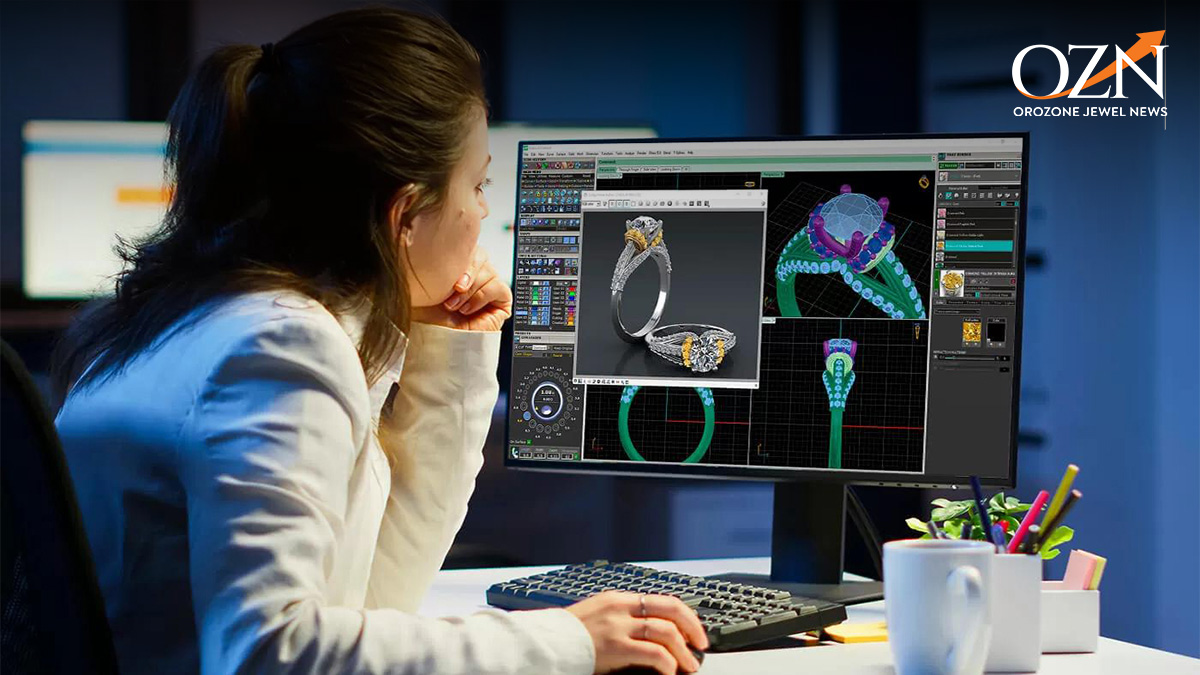
AI-powered
CAD systems are being used to analyse design parameters and identify areas
where material can be minimised without compromising durability. This approach
not only reduces production costs but also allows manufacturers to create more
commercially viable products.
The
demand for lightweight jewellery has grown significantly in recent years,
particularly in price-sensitive markets. Consumers are seeking designs that balance
aesthetics with affordability, and manufacturers are leveraging technology to
meet these expectations.
The
integration of AI into design workflows also enhances production efficiency. By
reducing the need for manual adjustments and iterations, manufacturers can
accelerate design cycles and bring products to market faster.
In
addition to cost benefits, lightweight jewellery aligns with broader
sustainability goals. Reduced metal usage contributes to resource efficiency,
making production processes more environmentally responsible.
The
adoption of AI-driven design is part of a larger shift towards digital
manufacturing in the jewellery industry. As technology becomes more accessible,
its role in shaping design and production strategies is expected to grow.
Asian
markets, known for their manufacturing scale and adaptability, are likely to
lead this transition. The combination of AI, design innovation, and cost
optimisation positions the region as a key driver of future jewellery trends.
Orozone
Tech News