New Delhi: According to industry reports,
the jewellery machinery sector is gradually moving towards automation and
integrated production environments, creating new hiring requirements across the
industry.
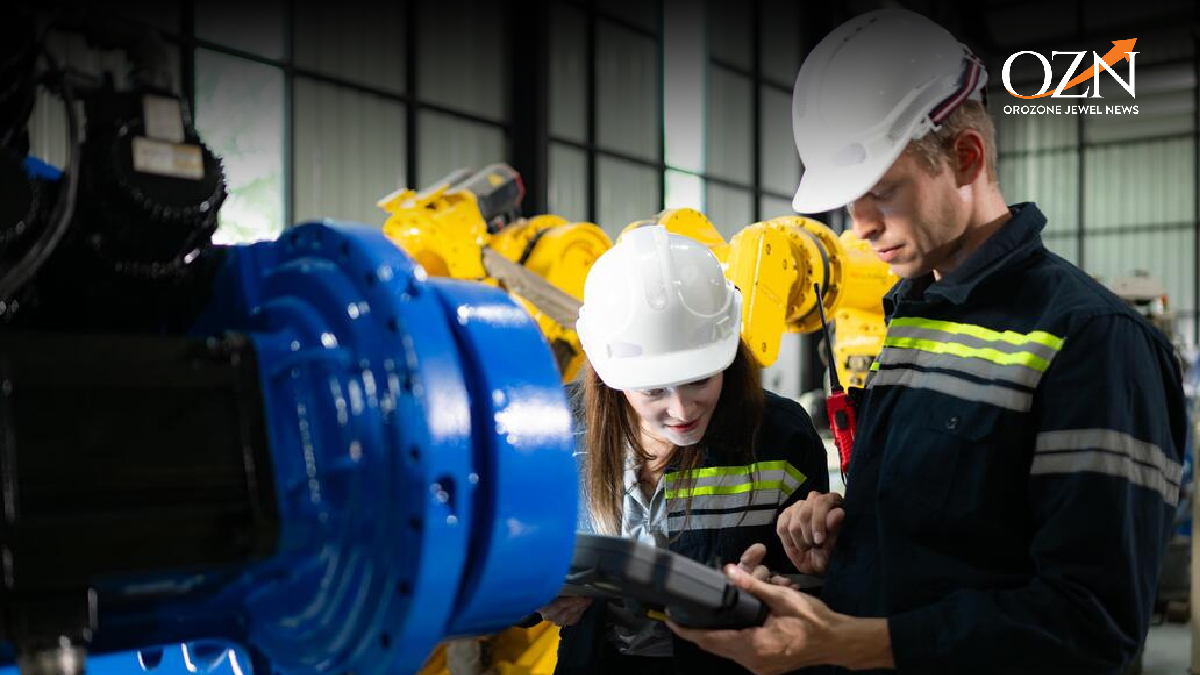
Machinery is increasingly being designed to
work within interconnected systems that include automated storage, production
lines, and software-based monitoring. This shift is increasing demand for
professionals who can understand and manage complete production workflows
rather than only individual machines.
Manufacturers are hiring engineers and
technical specialists with skills in system integration, automation support,
and process optimisation. These roles are becoming important for improving
coordination between different stages of production, increasing efficiency, and
maintaining consistent output quality.
The move towards automation also reflects
the industry’s growing focus on reducing dependence on manual processes while
improving productivity and scalability. As machinery becomes more advanced,
companies are looking for talent that can adapt to changing technologies and
support continuous improvement in manufacturing operations.
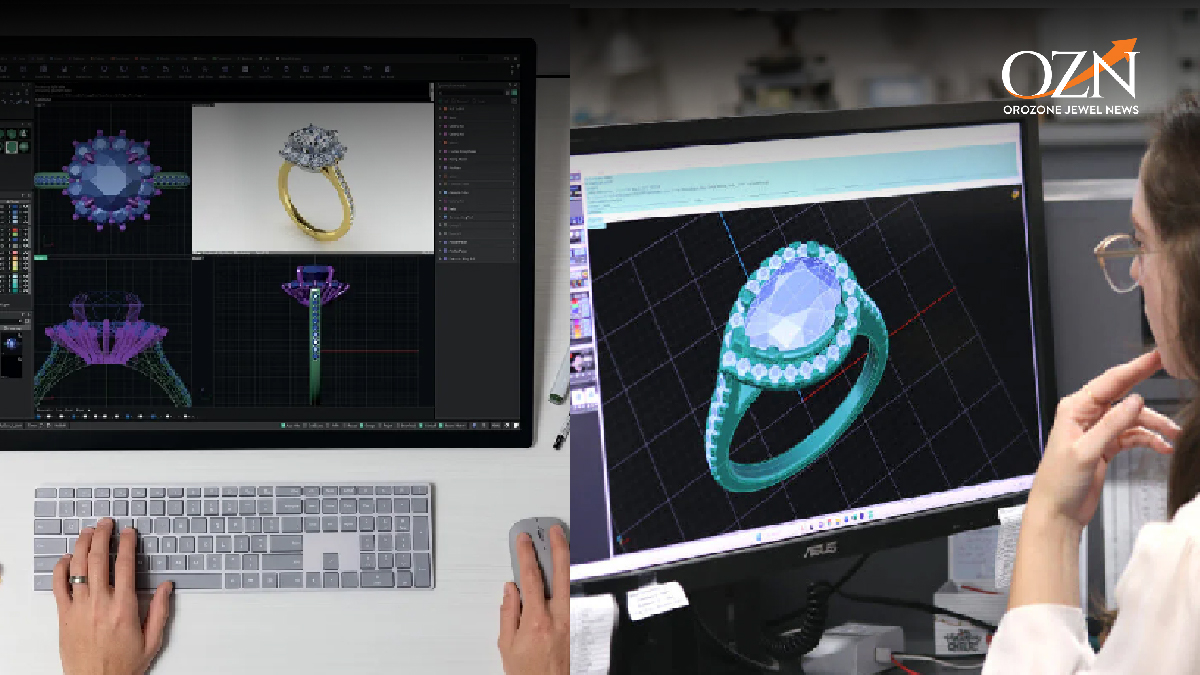
At the same time, integration with software
systems and data-based monitoring tools is creating demand for roles that
combine mechanical knowledge with digital understanding.
Industry reports indicate that hiring is
steadily shifting from machine-level roles to system-level expertise, with
automation and integration emerging as key drivers of workforce change in 2026.