In jewellery manufacturing, the journey
from design to final product is rarely as seamless as it appears on screen. A
CAD file may look perfect, but once it enters production, variables begin to
emerge — casting behaviour changes, finishing timelines extend, and precision
can vary depending on how well the design translates into manufacturable form.
This gap between design intent and
production reality is where institutions like Indian Institute of Gems and
Jewellery play a critical role.
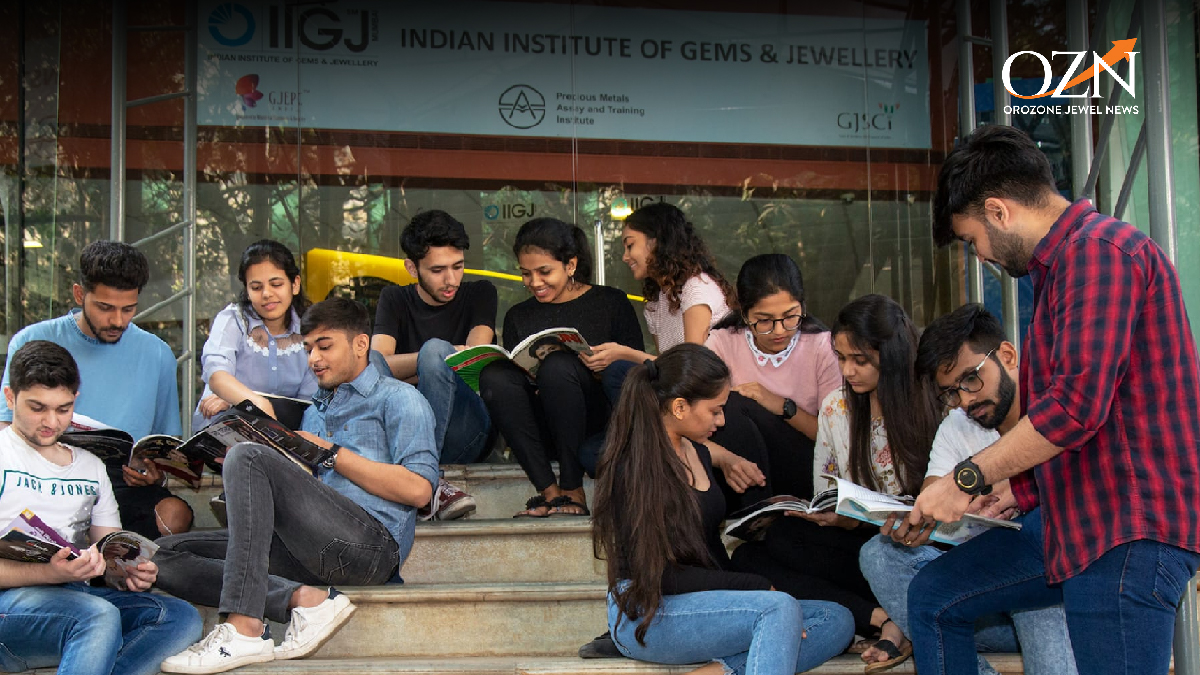
IIGJ focuses on developing skills that sit
exactly at this intersection — combining jewellery manufacturing knowledge with
CAD/CAM understanding. Their training goes beyond software usage or bench
skills in isolation. It builds a structured understanding of how designs behave
in real manufacturing environments, how casting outcomes can be influenced by
modelling decisions, and how finishing quality is directly tied to upstream
processes.
For manufacturers, this kind of learning
has direct operational value. It reduces dependency on trial and error. It
improves coordination between design and production teams. It ensures that what
is created digitally can be executed consistently on the shop floor.
In an industry where small inefficiencies
compound into larger production losses, the ability to align design with
manufacturing is a competitive advantage.
Institutions like IIGJ don’t just teach
skills — they enable manufacturers to move towards predictable, process-driven
production, where output quality is not left to chance, but shaped by informed
decisions at every stage.