New Delhi: As
per reports from recent industry platforms and machinery exhibitions, hiring in
the jewellery machinery segment is becoming increasingly technology-driven and
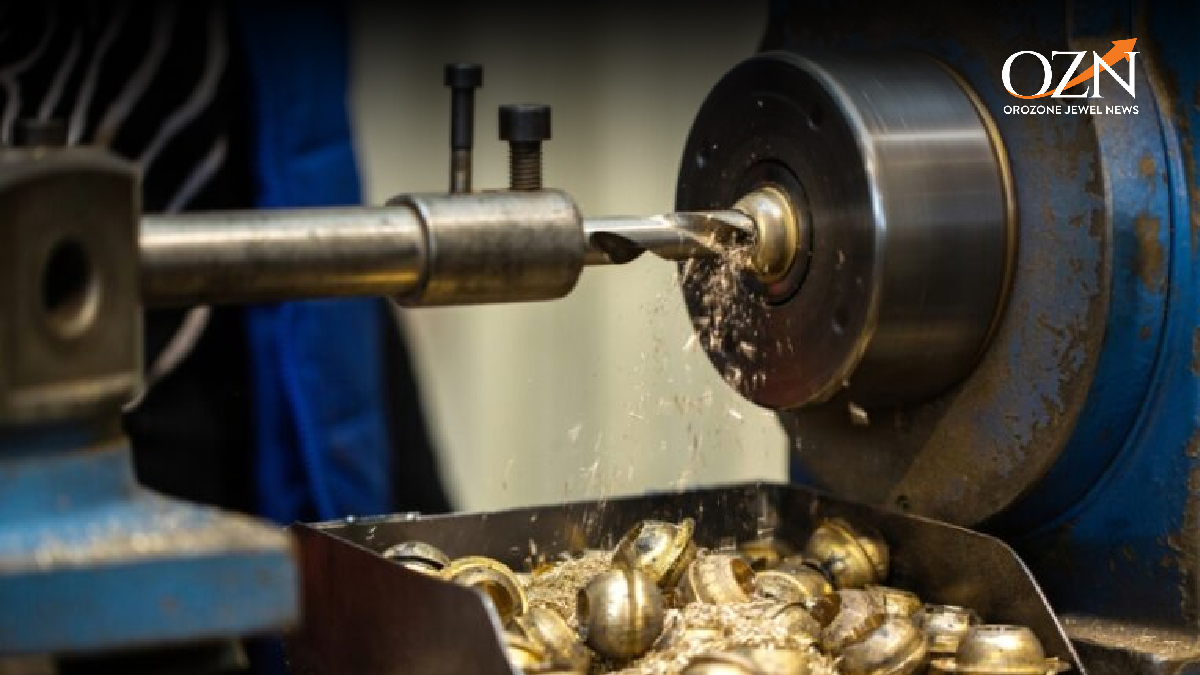
specialised. The sector’s transition towards advanced production systems such
as 3D printing, laser technology, CNC machining, engraving, polishing, and
CAD/CAM-integrated workflows is directly influencing workforce requirements.
Manufacturers are gradually moving away
from traditional assembly-focused hiring and are instead prioritising roles
that support precision engineering, software integration, and process
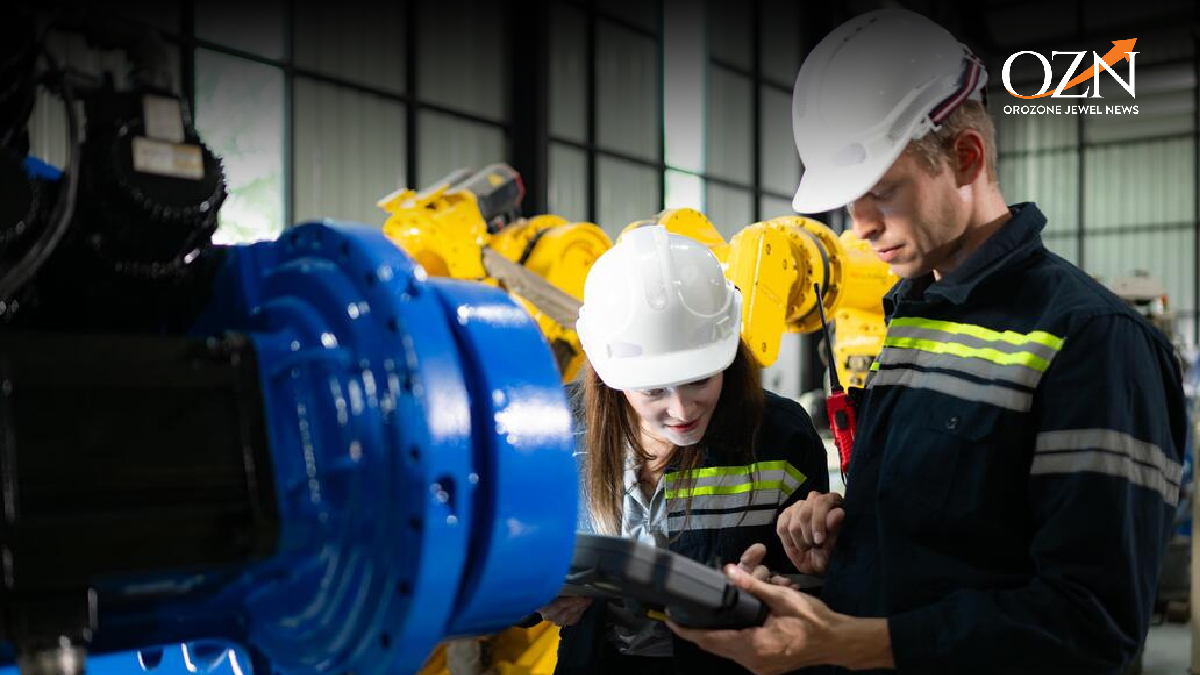
optimisation. Key positions gaining importance include application engineers,
CAD/CAM specialists, laser technicians, and system-support professionals who
can handle advanced equipment and ensure efficient utilisation.
This shift reflects a broader
transformation in the industry, where machinery is no longer treated as
standalone equipment but as part of a digitally connected production ecosystem.
As a result, companies are looking for talent that can not only operate machines
but also understand their technical applications, performance parameters, and
integration within manufacturing workflows.
In addition, the ability to troubleshoot,
adapt to new technologies, and support evolving production needs is becoming
critical in hiring decisions. The emphasis is clearly moving towards
multi-skilled professionals who can work across both mechanical and digital
systems.
As per reports, jewellery machinery hiring
in 2026 is increasingly defined by capability, technical expertise, and
adaptability — signalling a clear shift towards a more advanced and
future-ready workforce.